
Responsible gambling starts with deciding how a game fits into your entertainment budget before the first spin. For practical information about the slot’s mechanics, settings and the controls that belong to its host casino, visit sugarush-nz.org. The important distinction is that the game itself does not hold an account or manage player funds. Deposit limits, time-outs, reality checks and self-exclusion are normally provided by the casino hosting it, so those tools should be checked before real-money play.
Separate the game’s controls from casino safeguards
A slot can include settings that affect how it displays or runs, but those are not the same as gambling-management tools. The available in-game options may include bet adjustment, sound controls, Quick Spin, Autoplay and speed settings. They can make play more convenient, yet they do not set a spending ceiling, close an account or prevent further deposits. Treat them as interface choices rather than safeguards.
The game is supplied by Pragmatic Play, while the casino provides the player account. That means the operator, not the game developer, handles registration, age checks, identity verification, account recovery, deposits, withdrawals and complaints. The same division applies to safer-gambling controls. If a casino offers deposit limits, loss limits, session reminders, cooling-off periods or self-exclusion, the terms and operation of those tools are determined by that casino.
Before playing, look through the casino’s account, wallet or safer-gambling area and note which controls are available. Check whether a limit applies immediately or only after a waiting period, whether it can be reduced quickly, and how a time-out differs from permanent self-exclusion. If the information is unclear, ask customer support before depositing. Do not assume that a control at one operator follows you to another operator.
Build a budget that does not depend on winning
A useful gambling budget is money set aside for entertainment after essential costs, savings and existing commitments have been covered. It should not include rent, food, bills, borrowed funds or money needed for emergencies. Decide the amount for a defined period, such as a week or month, and divide it into smaller sessions if that makes the limit easier to follow.
Record both deposits and losses rather than relying on memory. A win can make spending feel smaller than it is, particularly when several rounds are played quickly. Set a maximum stake per spin and a maximum session amount before opening the game. When either limit is reached, stop, even if the game has recently produced a feature or a near miss. A result does not change the budget you originally chose.
Keep the theoretical return and advertised maximum win in perspective. The commonly listed RTP may vary by operator configuration, with lower settings possible, and it describes long-term mathematical expectations rather than what a particular session will return. High volatility can also mean that results fluctuate widely. Short play cannot prove that a game is due to pay, and losses should never be treated as an amount that must be won back.

Use limits before temptation takes over
Limits work best when they are arranged while decision-making is calm. If the casino provides a deposit limit, choose an amount based on the budget rather than on a hoped-for result. A loss limit can add another boundary, while a session or time limit helps prevent play extending unnoticed. Read the confirmation screen carefully and save any record of the settings.
Reality checks can interrupt automatic play by showing how long a session has lasted or how much has been spent. They are especially useful where Autoplay or fast-play settings are available, because repeated spins can make time feel compressed. If the casino allows Autoplay, consider avoiding it or using the shortest practical session instead. No speed setting changes the odds or makes a result more predictable.
For independent information and support options, the Gambling Helpline’s New Zealand resources can help readers think about gambling harm and available assistance. External support is useful when personal limits are becoming difficult to maintain. If a tool is hard to find, contact the operator and ask specifically about deposit restrictions, time-outs, self-exclusion and account closure rather than assuming all controls are provided automatically.
Watch for features that encourage longer sessions
Cascading wins can make one spin continue through several sequences, because winning symbols disappear and replacements fall into their positions. Marked positions may activate multipliers when later wins involve them, and those multipliers can increase during the sequence. These mechanics create an extended event within a single spin, so a player should decide in advance whether the chosen stake remains affordable when the action becomes more intense.
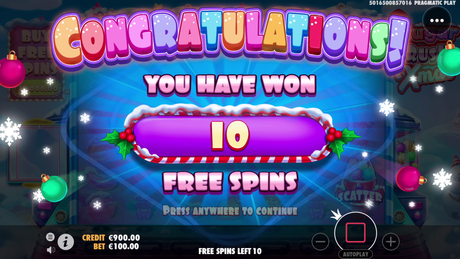
The Free Spins round is an in-game feature, not a casino promotion. Scatters can award a number of free spins, and the feature may be retriggered. During the feature, marked positions and multipliers can remain active for its duration. A Bonus Buy, where offered, is also a paid game mechanic rather than a free benefit. Its reported cost is 100 times the current bet, but availability can depend on the operator or jurisdiction.
These features can create excitement without changing the need for boundaries. Do not increase the stake because a feature has appeared, and do not treat free spins as proof that more play is favourable. If a Bonus Buy would use money outside the planned budget, leave it unused. Consider disabling fast-play options, taking a short break after a feature and checking the session total before continuing.
What should you check before choosing an operator?
The first check is whether the casino clearly explains its safer-gambling controls and customer support process. Look for practical information about deposit limits, time-outs, reality checks, self-exclusion and account closure. Also confirm how to contact the operator about a locked account, verification issue or gambling concern. These arrangements are not fixed by the slot and may differ substantially between casinos.
Next, read the game’s information or paytable screen. It should show the active RTP configuration and explain the relevant rules. The listed RTP may be 96.50%, but some operators may use 95.50% or 94.50% configurations. Do not rely on a review or a general game description when the live game screen provides more specific information. The paytable also helps clarify symbols, scatters, multipliers and feature conditions.
Finally, check the operator’s separate terms for payment, promotional and account conditions. A casino may include the slot in a campaign, but wagering requirements, expiry dates, maximum bets, game contribution and winnings caps are operator-specific. New Zealand-dollar support, fees, withdrawal limits and processing times are also not set by the game. Choosing a host should therefore involve both the quality of its controls and the clarity of its terms, not just the game’s theme or potential payout.
Questions about safer slot play
Does the slot itself offer deposit limits?
No. The game does not hold player accounts or process deposits, so it does not establish deposit limits, time-outs or self-exclusion. Those controls belong to the casino hosting the game. Check that operator’s safer-gambling section before depositing, and ask support how each limit works if the wording is unclear.
Is the Free Spins feature a responsible-gambling tool?
No. Free Spins are an in-game feature awarded by scatters, not a budgeting or account-control facility. They may extend a session and can be retriggered. Treat them as part of the game’s entertainment mechanics, keep the original spending boundary in place and stop if play no longer feels controlled.
What should I do if I cannot follow my limit?
Stop depositing and leave the session rather than trying to recover losses. Use an available time-out or self-exclusion tool, contact the casino’s support team and seek independent help. A trusted person can also provide accountability. Difficulty maintaining a limit is a reason to pause gambling, not to raise the limit.